AI in Medicine Conference
Smarter Systems, Better Care: Integrating AI into Everyday Medicine Practice.
Nov 5 – 7, 2026
Join us at the AI in Medicine Conference 2026 Bahrain organized by Arabian Gulf University (AGU).
Day(s)
:
Hour(s)
:
Minute(s)
:
Second(s)
Message of Dr. Saad bin Saud Al Fahaid
President of the Arabian Gulf University
It is my great pleasure to welcome you to the AI in Medicine Conference at Arabian Gulf University. This conference reflects our commitment to advancing innovation, fostering interdisciplinary collaboration, and shaping the future of healthcare through artificial intelligence.
As AI continues to transform medical education, research, and clinical practice, it is essential that we embrace its opportunities while upholding the highest standards of ethics, professionalism, and patient-centered care. I wish you a productive conference filled with insightful discussions, meaningful collaborations, and lasting impact.
Message of Dr. Ghazi Alotaibi
Chairman of the Conference
Welcome to the Arabian Gulf University AI in Medicine Conference.
It is a pleasure to have scientists, clinicians, researchers, innovators, and students from across the region and beyond come together to explore the transformative role of artificial intelligence in healthcare.
At Arabian Gulf University, we are committed to advancing excellence in medical education, scientific research, and innovation to address the evolving health needs of our region and beyond. Artificial intelligence is reshaping medicine by enhancing clinical decision-making, accelerating biomedical discovery, and enabling more precise, personalized, and equitable healthcare.
This conference provides a platform for interdisciplinary collaboration, the exchange of evidence-based knowledge, and the responsible advancement of AI in medicine. I wish all participants a productive and inspiring conference and look forward to the ideas and partnerships that will help shape the future of healthcare.
About The Event
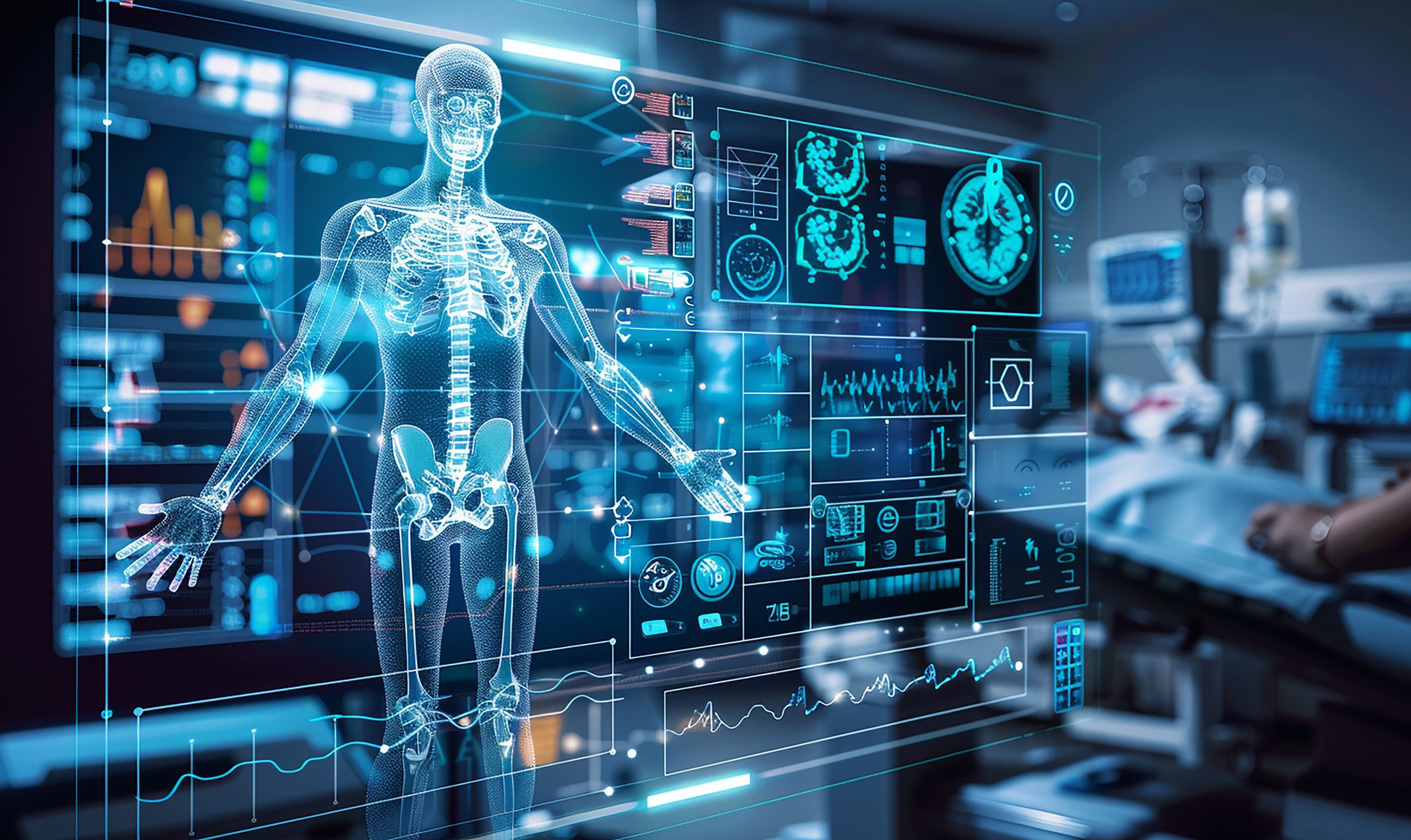
Artificial intelligence (AI) is transforming modern medicine by enhancing clinical decision-making, improving efficiency, and supporting better patient outcomes. AI technologies can rapidly analyze large volumes of healthcare data, including laboratory results, medical imaging, genomic information, and electronic health records, to assist clinicians in making earlier and more accurate diagnoses. Predictive models can identify patients at increased risk of complications, support personalized treatment strategies, and optimize medication management.
Agenda - Day 1

AI-Enabled Cardiovascular Risk And Preventation
The morning program opens with Prof. Abdulla Shehab (UAE) presenting on AI-supported risk prediction in hypertension using home and wearable blood pressure monitoring, followed by an international session on converting out-of-office BP data into AI-guided treatment decisions. The agenda then moves to evidence-based pharmacologic strategies linking risk scores to cardiovascular disease prevention, and Dr. Mohamed Amin (MKCC) discusses wearable ECG technology and AI applications in arrhythmia detection. After a brief discussion, the session transitions to the Opening Ceremony and concludes with a keynote lecture by Dr. Andrew W. Taylor Robinson (USA) on developing AI-driven healthcare systems.
Thu, Nov 5, 2026
08:00 AM to 10:30 AM

AI in Diabetes & Obesity Care: Monitoring, Therapy & Outcomes
The session opens with Dr. Dalal Al Rumaihi and Dr. Nesreen Alsayed discussing the transition from finger-stick testing to AI-powered smart technologies in modern diabetes care. Dr. Hussien Taha then presents on AI-guided personalized pharmacotherapy for diabetes and obesity management, followed by Dr. Ebtihal Al Yusuf highlighting AI-enabled continuous glucose monitoring and automated insulin support. Dr. Aseel Alsaleh addresses digital tools and AI-supported nutrition and lifestyle coaching to improve adherence and outcomes. After a brief discussion, the program proceeds to the Industrial Symposium.
Thu, Nov 5, 2026
10:45 AM to 12:45 PM
Artificial Intelligence in Radiology: From Clinical Integration to Subspecialty Applications
The afternoon session begins with Dr. Mohamed Al Madfaa (Chicago, USA) sharing real-world clinical experience on integrating AI into radiology practice, alongside a Zoom contribution from Dr. Amna Kahgari (KSA). Dr. Nawal Alhamar (SMC) then presents on AI-driven automation in chest imaging for detection and triage. The program continues with sessions on AI-enhanced abdominal imaging and AI-based prediction of hepatocyte health states, followed by Dr. Tim Jobson (UK) and Dr. Mai Mattar discussing improvements in musculoskeletal imaging through AI-assisted detection and reporting efficiency. After a discussion, the agenda moves to the Industrial Symposium and concludes with a keynote lecture.
Thu, Nov 5, 2026
01:30 PM – 04:00 PM

Artificial Intelligence in Emergency and Critical Care
The late-afternoon program opens with sessions on AI-supported emergency triage and early detection of patient deterioration in acute care settings. Prof. Jameela Alsalman then presents on AI-enabled personalized antibiotic therapy and therapeutic monitoring in the ICU. The agenda transitions to Main Hall Session V, which focuses on ethics, regulation, and equity, featuring Dr. Barry Solaiman (Qatar) discussing ethical, safety, and regulatory considerations for AI at the point of care, Prof. Adel Bouhoula (AGU) explaining core AI concepts and safe deployment strategies, and Dr. Yusuf Alnawakhtha addressing patient privacy in the post-quantum era. The day concludes with Day I Take-Home Messages.
Thu, Nov 5, 2026
04:00 PM to 05:30 PM
Agenda - Day 2
Empowering Nursing Practice Through Artificial Intelligence
The morning nursing session features presentations on AI’s impact on care delivery, clinical judgment, and workflow, followed by discussions on AI-enabled remote patient monitoring and the role of AI as a supportive partner in clinical decision-making. The program also addresses integrating AI into nursing education to build a digitally competent workforce, concluding with a brief discussion before the keynote lecture.
Fri, nov 6, 2026
08:00 AM to 10:30 AM
Artificial intelligence in medical education (Student session)
The session focuses on the integration of AI into medical education, covering smart simulation in clinical skills training, AGU’s experience in preparing future doctors and nurses for AI-driven healthcare, essential AI knowledge for healthcare professionals, and the ethical use of AI, including bias and responsibility. The segment concludes with a discussion.
Fri, nov 6, 2026
10:45 AM to 12:15 PM
AI in Genomics & Bioinformatics
The session explores advanced AI applications in biomedicine, including interpretable AI for biomarker discovery through multi-omics integration, end-to-end AI-driven drug discovery, and AI-augmented pharmacogenomics for predicting drug response and adverse events. It also addresses the deployment of AI biomarkers and PGx in routine clinical care, covering evidence standards, regulatory pathways, and MLOps considerations. A strategic perspective on investing in AI-driven biomedicine in Bahrain is highlighted, followed by a discussion.
Fri, nov 6, 2026
02:30 PM – 04:00 PM
Artificial Intelligence in Primary Care, Telemedicine, and Virtual Care
The session highlights the role of AI in primary and virtual care, covering AI-supported clinical decision-making, AI-enabled telemedicine to enhance access and continuity, and remote patient monitoring for chronic disease management. It also addresses implementation challenges, ethical considerations, and best practices. The program concludes with a discussion and Day II take-home messages.
Fri, nov 6, 2026
04:20 PM to 06:00 PM
Agenda - Workshops - Day 3
AI in ECG Interpretation: Clinical Applications and Pitfalls
The workshop on AI in ECG Interpretation: Clinical Applications and Pitfalls will highlight how AI supports ECG analysis in clinical practice, including rhythm detection and diagnostic assistance. It will also address limitations, potential errors, and key pitfalls, emphasizing the importance of clinical judgment and validation when using AI tools.
Sat, Nov 7, 2026
09:00 AM to 12:15 PM
Using AI in Clinical Research: From Study Design to Real-World Data
The workshop on Using AI in Clinical Research: From Study Design to Real-World Data will explore how AI enhances research workflows, from protocol development and data analysis to leveraging real-world evidence. The session will emphasize practical applications, methodological considerations, and best practices for ensuring validity, reliability, and ethical use of AI in research.
Sat, Nov 7, 2026
09:00 AM to 12:15 PM
AI in healthcare
The workshop on AI in Healthcare will provide an overview of how artificial intelligence is transforming clinical practice, operations, and patient care. It will highlight key applications, implementation considerations, and challenges, emphasizing safe, ethical, and effective integration into healthcare systems.
Sat, Nov 7, 2026
09:00 AM to 12:15 PM
About The Organizer
Arabian Gulf University is located in the city of Manama, in the Kingdom of Bahrain and focuses on health, human development, environment, science and technology.
The university is formed out of two colleges and one school that offer both undergraduate and postgraduate programs:
- College of Medicine and Health Sciences
- College of Education, Administrative and Technical Sciences
Why Attend the AGU AI & Medicine Conference?
- Stay Ahead of Emerging Technologies.
- Enhance Clinical Practice.
- Engage with Leading Experts.
- Address Ethical And Regulatory Challenges.
- Build Skills and Knowledge.
- Network and Collaborate.
- Shape the Future of Healthcare.
Who Should Attend?
This Activity is designed to meet the needs of:
- Physicians
- pediatricians
- Radiologists
- Dietitians
- Behavioral Health & Psychiatry Professionals
- Healthcare Professionals
- Residents & Fellows
- Students
- Family Medicine Physicians
- General Practitioners
- Nurse Practitioners
- Lifestyle Counselors
- Healthcare providers and Scientists
- Community and Social professionals
Conference Tracks
- AI in Diagnostics and Clinical Decision Support
- Precision Medicine and Personalized Therapeutics: Genomic-Informed Therapy, Predicting Treatment Response,
- AI Applications in Chronic Disease Management
Addressing conditions such as diabetes, cardiovascular disease, respiratory disorders, and kidney disease, this track examines remote monitoring systems, digital therapeutics, risk prediction models, and patient engagement tools that support long-term disease control. - Data Science, Big Data, and Clinical Informatics: Real-Time Deterioration Alerts,
- Ethics, Equity, and Responsible AI in Healthcare
Participants examine ethical frameworks, fairness in algorithm design, bias mitigation, transparency, explainability, patient rights, and regulatory and legal considerations. The track emphasizes equitable deployment of AI across diverse populations and healthcare settings. - Implementation Science and Real-World Adoption of AI Tools: Accelerated Drug Discovery
- Human–AI Collaboration and Clinician Education
- Future Directions, Innovation, and Emerging Technologies
- Enhanced Image and Data Analysis
- Clinical Decision Support and Differential Diagnosis
- Early Detection and Risk Stratification
- Remote Patient Monitoring (RPM) and Medication Adherence

Expected Outcomes
Attendees will gain practical knowledge and a forward-looking perspective, including:
- Clinical Competency: An understanding of which AI tools are currently validated and ready for integration into their subspecialty practice.
- Implementation Strategy: Clear frameworks for integrating AI into existing Electronic Health Record (EHR) systems to reduce cognitive load and burnout.
- Ethical Literacy: The ability to identify and address the ethical risks (bias, accountability) associated with deploying AI in vulnerable patient populations.
- Networking: Opportunities for clinicians to connect directly with data scientists and industry leaders to influence the development of future AI tools.